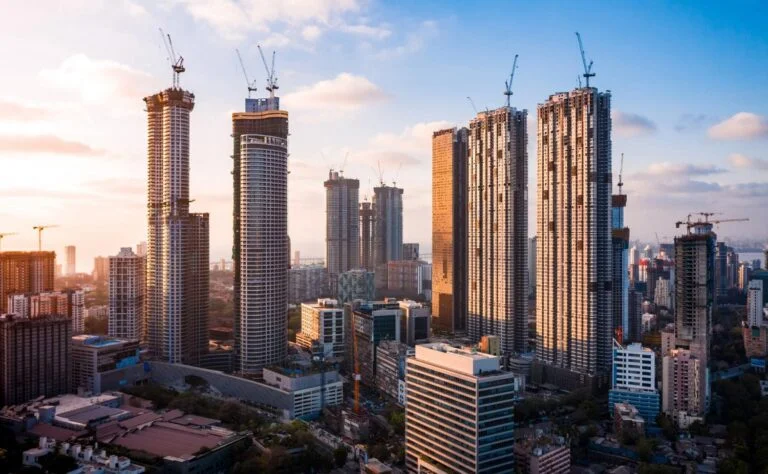
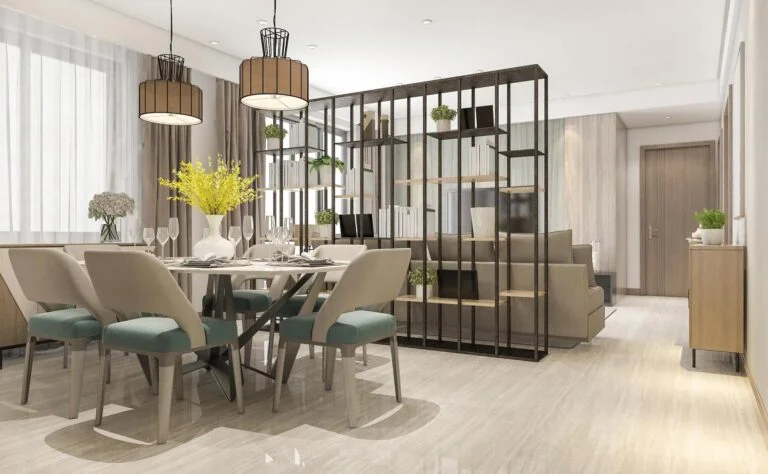
In today’s fast-evolving construction and design landscape, the interior fit-out industry plays a crucial role in shaping functional, aesthetic, and efficient spaces. From commercial offices to luxury residences, businesses must continuously innovate to meet client expectations and stay ahead of competitors.
With changing design preferences, technological advancements, and increasing demand for customized solutions, interior fit-out companies need to adapt quickly to remain relevant and successful.
The Shift Toward Smart and Sustainable Design
Sustainability is no longer a trend—it’s a necessity. Clients are increasingly looking for eco-friendly materials, energy-efficient systems, and sustainable construction practices.
Interior fit-out companies are now integrating:
- Recycled and low-impact materials
- Energy-efficient lighting and HVAC systems
- Smart technologies for automation and control
These solutions not only reduce environmental impact but also create long-term value for clients.
Customization and Client-Centric Solutions
Modern clients want spaces that reflect their identity and purpose. Whether it’s a corporate office or a retail outlet, customization is key.
Fit-out companies are focusing on:
- Tailored layouts based on workflow and usability
- Brand-focused interior design
- Flexible and modular spaces
Understanding client needs and delivering personalized solutions has become a major differentiator in the industry.
Technology-Driven Design and Execution
Technology is revolutionizing the interior fit-out process. Tools like 3D visualization, virtual reality (VR), and Building Information Modeling (BIM) allow clients to experience designs before execution.
Benefits include:
- Better design accuracy
- Reduced errors and rework
- Faster project completion
This tech-driven approach improves both efficiency and client satisfaction.
The Rise of Turnkey Solutions
Clients today prefer end-to-end services that simplify the entire process. Turnkey interior fit-out solutions—from design to execution—are becoming increasingly popular.
By offering comprehensive services, companies can:
- Ensure consistency in quality
- Reduce project timelines
- Provide a seamless client experience
This approach builds trust and strengthens long-term relationships.
Focus on Workplace Transformation
With hybrid work models becoming more common, office spaces are being redesigned to enhance productivity and collaboration.
Key trends include:
- Open and flexible workspaces
- Collaborative zones and breakout areas
- Wellness-focused designs with natural light and greenery
Interior fit-out companies that understand these evolving needs can position themselves as strategic partners rather than just service providers.
Digital Marketing for Interior Fit-Out Businesses
In a competitive market, having strong online visibility is essential. Interior fit-out companies are leveraging digital marketing to attract and engage clients.
Effective strategies include:
- Showcasing projects through high-quality visuals and videos
- Maintaining an active presence on social media
- Using SEO-driven content to generate leads
- Sharing client testimonials and case studies
A strong digital presence helps build credibility and expand reach.
Quality, Compliance, and Timely Delivery
Clients prioritize reliability as much as design. Delivering high-quality work within deadlines while adhering to safety and regulatory standards is critical.
Companies that consistently meet these expectations gain:
- Positive word-of-mouth
- Repeat business
- Strong industry reputation
Conclusion
The interior fit-out industry is evolving rapidly, driven by innovation, sustainability, and changing client expectations. Businesses that embrace new technologies, prioritize customization, and maintain high standards of quality will stand out in this competitive landscape.
By combining creative design, efficient execution, and smart marketing strategies, interior fit-out companies can not only meet client demands but also position themselves for long-term growth and success.